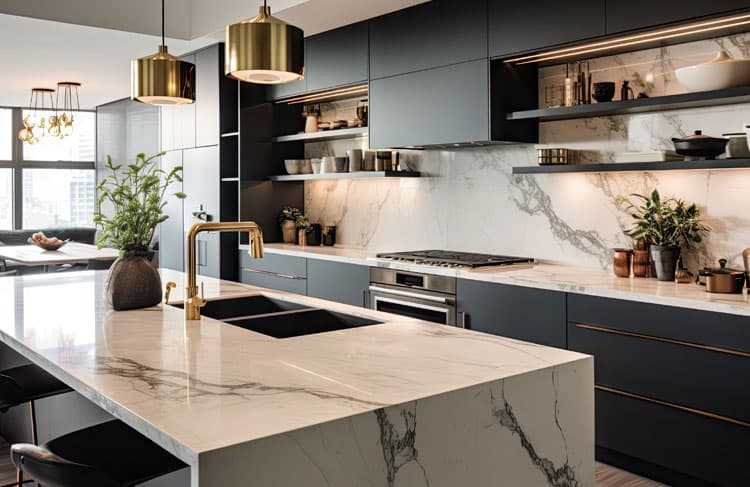
Problem to solution
If the client asks about termites, the material conversation has already changed.
When the client asks about termites, the specification conversation has already shifted from pure finish preference to material trust. This page needs to answer that shift directly.
Why this objection keeps showing up
Termite anxiety returns because the usual answer sounds like reassurance, not a real route change.
This objection deserves its own page because it changes the decision path faster than most generic durability claims do.
Recurring fear
Termites stay sticky in premium projects because the concern feels practical, emotional, and expensive at the same time.
Weak reassurance
Treatments and reassurance can calm the discussion temporarily while leaving the original anxiety alive.
Specifier burden
Architects need a shorter, stronger answer when the termite question shows up repeatedly in the same sales cycle.
Project-fit call
Have a live client brief? Bring it to the consultation.
We will look at the application, the concern, and the client expectation, then show how Paneluxe can fit the project without forcing a generic product explanation.
Compare the routes
A better termite answer starts by changing the material route, not by repeating the same reassurance.
The comparison is not treatment versus no treatment. It is familiar baseline reassurance versus a material route that changes the conversation at the source.
Use this page as a feeder into the main architect support path, not as an isolated technical microsite.
Keep the termite page practical. It should help someone respond to a live objection in a sentence or two.
How Paneluxe changes the conversation
The termite page should make the architect sound clearer, not more defensive.
The termite page should give architects a usable talk track and a credible explanation of why the underlying route is different.
No weak-core story
The point is not decorative. The route changes because the core logic changes.
Use-case relevance
The objection matters most in kitchens, wardrobes, and wet areas, so the page should keep routing power into those specific use cases.
Shorter talk track
That gives the architect a stronger answer in live meetings without forcing a long technical explanation.
Route the objection
Use termite intent to send the visitor into the right application or architect page.
The termite page should not trap the user. It should route them into the next most relevant page with the objection already named.
Architect route
For architects
Take the termite objection into the main architect support page when the brief now needs broader specification help.
Application path
Kitchen systems
Move into the kitchen use case when the termite discussion is really happening inside a premium kitchen decision.
Application path
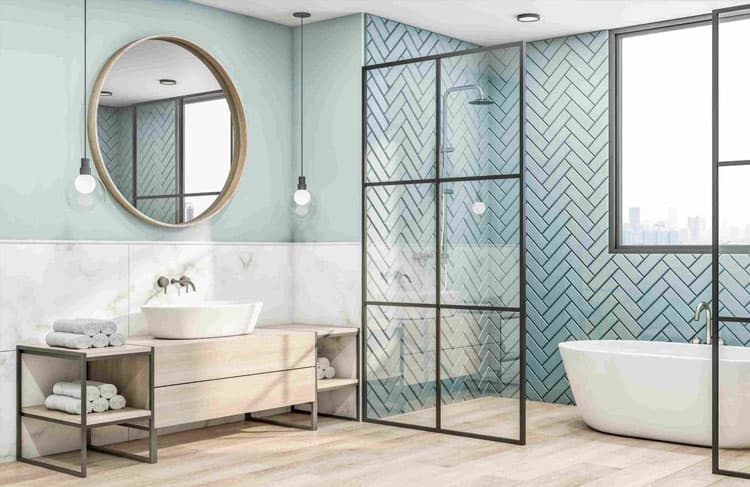
Wet-area systems
Route into wet areas when the objection overlaps with vanity, moisture, or easy-maintenance concerns.
Project-fit call
Use the call to turn this page into a usable specification route.
We will help you translate the material logic into a client-ready explanation around durability, maintenance, warranty confidence, and long-term handover quality.
Next step
When the objection is this specific, the call to action should be specific too.
Termite objections are usually high-intent. The right page gives a compare sheet, a live-project route, and a direct brief-review path.
Quick consultation
Book one focused call. We will map Paneluxe to the actual project.
Bring the client brief, room type, and material concern. We will explain where aluminum honeycomb panels help, which product route fits, and what proof you can use with the client.
Understand the brief
Application, dimensions, exposure, client expectation, and project stage.
Match the product route
Kitchens, wardrobes, wet areas, doors, shutters, or custom interior use cases.
Improve the handover story
Better material confidence, fewer service headaches, stronger guarantees, and cleaner client recommendations.
In the quick note, mention the application, client concern, and current project stage.