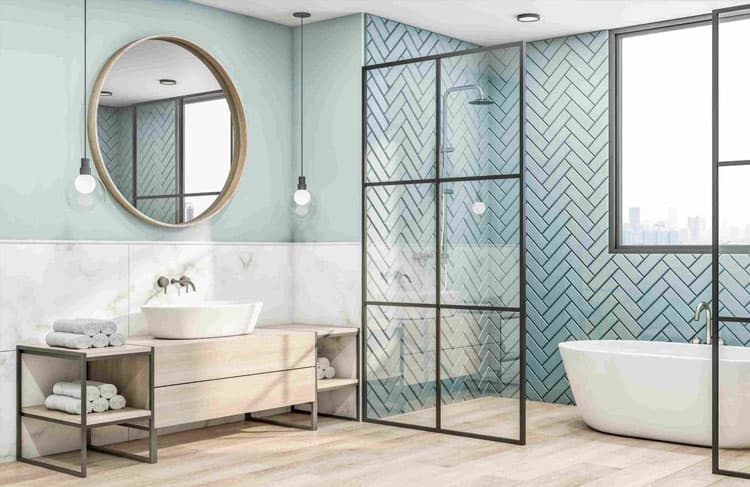
Wet-area systems
Wet areas expose weak material decisions quickly.
Wet-area pages should speak to moisture, hygiene, and maintenance consequences immediately, because weak material choices show up here faster than in most other spaces.
Problem mirror
Moisture, hygiene, and maintenance pressure make wet areas a direct material decision.
Wet-area visitors are evaluating risk, not shopping for abstract inspiration. The page has to mirror that intent.
Moisture exposure
Vanity and wet-area zones compress humidity, regular cleaning, visible wear, and long-run appearance into one hard-to-hide application.
Hygiene pressure
The specifier is not just defending appearance here. They are also defending hygiene, easy maintenance, and day-two credibility.
Maintenance anxiety
If the baseline route still invites swelling, wear, or repeated upkeep questions, the page has not done its job.
Project-fit call
Have a live client brief? Bring it to the consultation.
We will look at the application, the concern, and the client expectation, then show how Paneluxe can fit the project without forcing a generic product explanation.
Compare wet-area routes
Wet-area pages should explain why familiar routes stay weak exactly where the project is most exposed.
The wet-area comparison should make one thing clear: the default route can stay familiar and still stay vulnerable.

Use this page for vanity and restroom-partition conversations where moisture and hygiene are part of the brief from day one.
Why Paneluxe fits wet areas
Wet-area systems need a page that treats moisture as the core decision, not a secondary detail.
Public India-facing wet-area language already includes vanity routes, waterproof positioning, easy maintenance, restroom partitions, and hygienic framing. The page should make that story practical and problem-led.
Moisture-first route
The wet-area page should lead with a stronger material route for humidity and cleaning-heavy use, not with decorative bathroom language.
Use-case range
Vanity units, washroom doors, and restroom partitions can all sit inside one moisture-aware decision framework when the page is structured correctly.
Lower-risk story
That gives the architect a better answer on easy maintenance, hygiene, and long-run visual consistency in the most exposed rooms.
Proof and next step
Use wet-area intent to route toward the right comparison or live brief.
Wet-area visitors need a comparison path, not extra vague reassurance. The strongest page makes the next route obvious.

Comparison
Wet-area material comparison
Go directly into the comparison page built for wet-area cabinet and vanity decisions.

Objection path
Pest-proof material logic
If the wet-area concern overlaps with termite or broader durability questions, route into the problem page built for that objection.
Architect route
Send the live brief
Move directly into the architect-facing support route when the wet-area brief is already active.
Project-fit call
Use the call to turn this page into a usable specification route.
We will help you translate the material logic into a client-ready explanation around durability, maintenance, warranty confidence, and long-term handover quality.
Process and next step
Wet-area decisions move faster when the use case is named early.
The wet-area implementation path should show what happens after the first inquiry, because that removes uncertainty for active projects.
Step 1
Define the zone
Identify whether the brief is vanity-led, partition-led, or a broader wet-area cabinet discussion.
Step 2
Surface the risk
Clarify where moisture, hygiene, and maintenance pressure are strongest in the project.
Step 3
Choose the route
Match the right compare asset, material explanation, and execution support route.
Step 4
Advance the brief
Move the brief into guide request, review, or architect support based on project urgency.
Next step
The fastest way to reduce wet-area doubt is to compare the route or review the live brief.
Wet-area pages should close with an obvious guide or brief-review path, because the visitor is usually already evaluating risk.
Quick consultation
Book one focused call. We will map Paneluxe to the actual project.
Bring the client brief, room type, and material concern. We will explain where aluminum honeycomb panels help, which product route fits, and what proof you can use with the client.
Understand the brief
Application, dimensions, exposure, client expectation, and project stage.
Match the product route
Kitchens, wardrobes, wet areas, doors, shutters, or custom interior use cases.
Improve the handover story
Better material confidence, fewer service headaches, stronger guarantees, and cleaner client recommendations.
In the quick note, mention the application, client concern, and current project stage.