Problem to solution
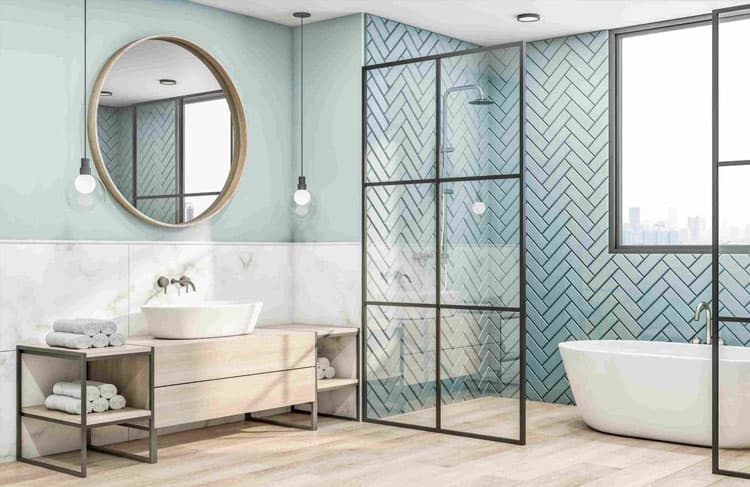
Wet areas expose weak cabinet choices faster than most rooms.
Wet areas reveal material weaknesses faster than most rooms. The comparison page has to make that risk visible immediately and then route the visitor into the right next step.
Where common routes struggle
Wet-area comparisons work only when the hidden failure mode is made obvious.
The wet-area comparison page should speak to failure mode first, because that is how this decision is actually made.
Swelling and wear
The room reveals hidden material weakness quickly because moisture and repeated cleaning are part of everyday use.
Maintenance pressure
The visitor is often comparing not just products, but future maintenance stress and post-handover confidence.
Specifier uncertainty
Architects need an answer that makes the wet-area route feel chosen deliberately, not inherited by default.
Project-fit call
Have a live client brief? Bring it to the consultation.
We will look at the application, the concern, and the client expectation, then show how Paneluxe can fit the project without forcing a generic product explanation.
Compare the routes
The wet-area decision should be compared on risk and fit, not on familiarity alone.
The common route feels familiar until moisture, hygiene, and appearance pressure start exposing the weak points all at once.
Use this comparison page to route moisture-heavy interest into the wet-area authority page or the architect support path.
Where Paneluxe changes the equation
The comparison should make the stronger wet-area route feel obvious, not theoretical.
Once the risk is visible, the visitor should understand what a stronger wet-area route looks like: lower maintenance stress, a cleaner long-run story, and a clearer explanation of why the route is different.
Use-case clarity
This page should route directly into vanities, restroom partitions, and moisture-heavy cabinet conversations.
Material confidence
It makes the moisture-resistant story easier to understand because the mechanism is linked back to the real use case.
Hotter intent
That means the visitor can move from comparison into guide request, brief review, or project-fit call without losing context.
Route the visitor
Wet-area intent should flow into the next best page with the moisture context intact.
The wet-area comparison page should feed the authority pages and the live-project routes instead of acting like a dead-end article.
Application path
Wet-area systems
Move from the comparison page into the wet-area authority page when the visitor wants a fuller use-case explanation.
Architect route
For architects
Use the architect support path when the brief is already active and the project needs a live review.
Baseline path
Paneluxe vs plywood
Take the moisture question into the baseline comparison when the client is still comparing familiar materials broadly.
Project-fit call
Use the call to turn this page into a usable specification route.
We will help you translate the material logic into a client-ready explanation around durability, maintenance, warranty confidence, and long-term handover quality.
Next step
Moisture-heavy decisions convert faster when the next route is obvious.
Once the comparison is clear, the visitor should either request the wet-area guide, book the review, or send the live brief.
Quick consultation
Book one focused call. We will map Paneluxe to the actual project.
Bring the client brief, room type, and material concern. We will explain where aluminum honeycomb panels help, which product route fits, and what proof you can use with the client.
Understand the brief
Application, dimensions, exposure, client expectation, and project stage.
Match the product route
Kitchens, wardrobes, wet areas, doors, shutters, or custom interior use cases.
Improve the handover story
Better material confidence, fewer service headaches, stronger guarantees, and cleaner client recommendations.
In the quick note, mention the application, client concern, and current project stage.