Comparison page
The familiar route is not always the safer route.
This page should acknowledge why plywood feels safe, then show where that familiarity keeps moisture, termite, and long-run maintenance risk alive in premium interiors.
Why plywood feels safe
The baseline works commercially because it feels familiar, not because it removes the important risks.
A strong comparison page is fair to the baseline first. That is what makes the contrast feel credible instead of exaggerated.
Familiarity
Plywood feels safe because it is easy to find, easy to explain initially, and widely accepted as a default baseline.
Hidden cost
That early comfort can hide moisture, termite, maintenance, and regret costs that only become obvious later.
Architect burden
The architect ends up defending a familiar choice instead of explaining why the material route was truly fit for the project.
Project-fit call
Have a live client brief? Bring it to the consultation.
We will look at the application, the concern, and the client expectation, then show how Paneluxe can fit the project without forcing a generic product explanation.
What risk stays alive
The best comparison pages explain consequence, not just material names.
The point of this page is to surface the risk that the familiar route keeps alive once the project faces moisture, termite, maintenance, and premium-performance scrutiny.
Use this page as a feeder into the architect hub, the mechanism page, and the strongest application pages.
Where Paneluxe changes the equation
The comparison works when it sends the visitor toward the pages that can close the decision.
Once the baseline is reframed fairly, the visitor should understand where Paneluxe changes the equation: not with a different finish story, but with different material logic.
Different route
This page should make clear that Paneluxe is not just a better-looking version of the same baseline.
Architect consequence
The business impact for the architect is fewer hard-to-defend objections and a cleaner client-facing explanation.
Upward routing
That is why the next destinations matter: architect support, matching application pages, and the technology hub.
Route the comparison
A good baseline comparison page should make the next move obvious.
The comparison page should capture objection intent and then pass it into the pages best positioned to convert it.
Architect route
For architects
Move into the main architect-facing authority page when the comparison is now about project fit, not abstract research.
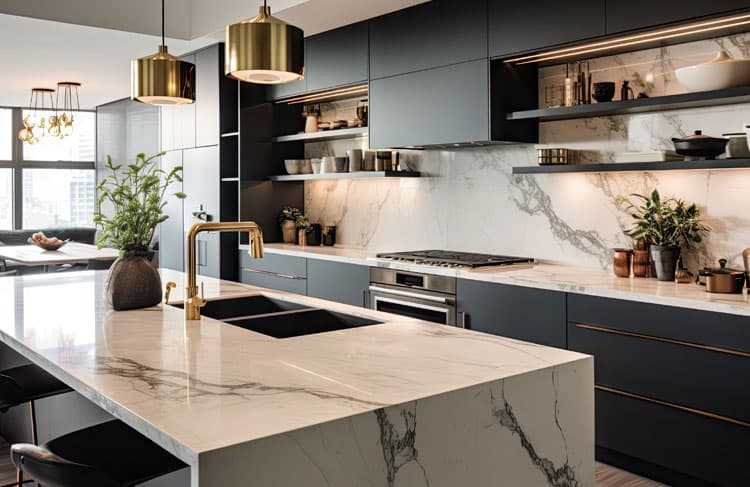
Use-case route
Kitchen systems
Go directly into kitchens when the material comparison is happening around a high-use premium kitchen brief.
Use-case route
Wet-area systems
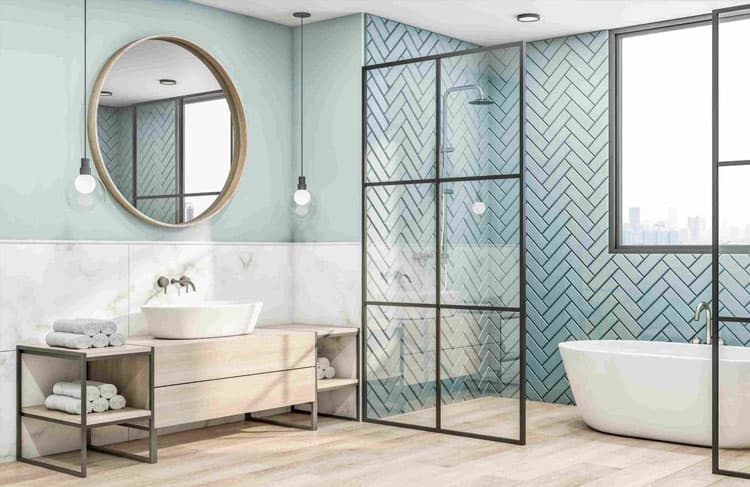
Route into wet areas when the familiar-versus-stronger-material comparison is really about moisture-heavy spaces.
Project-fit call
Use the call to turn this page into a usable specification route.
We will help you translate the material logic into a client-ready explanation around durability, maintenance, warranty confidence, and long-term handover quality.
Next step
Material comparison pages should move the visitor toward review, not trap them in theory.
The page should end with compare sheet, architect pack, or live brief options because that is how familiar-baseline objection traffic turns into appointments.
Quick consultation
Book one focused call. We will map Paneluxe to the actual project.
Bring the client brief, room type, and material concern. We will explain where aluminum honeycomb panels help, which product route fits, and what proof you can use with the client.
Understand the brief
Application, dimensions, exposure, client expectation, and project stage.
Match the product route
Kitchens, wardrobes, wet areas, doors, shutters, or custom interior use cases.
Improve the handover story
Better material confidence, fewer service headaches, stronger guarantees, and cleaner client recommendations.
In the quick note, mention the application, client concern, and current project stage.