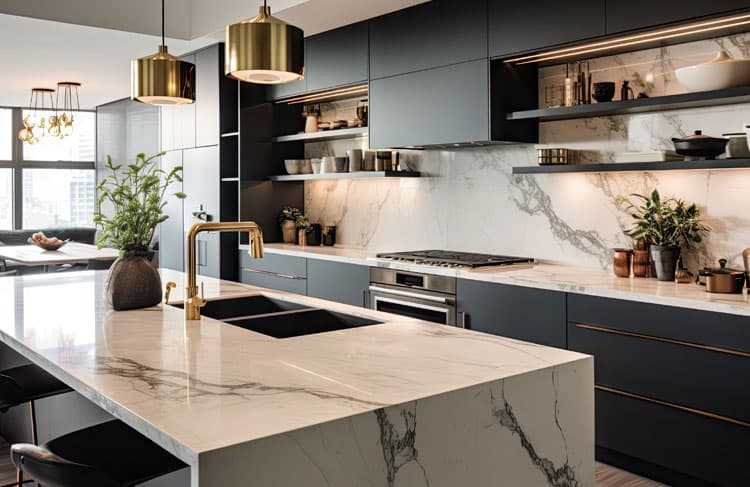
Kitchen systems
Premium kitchens should not become a moisture, swelling, or maintenance conversation later.
Paneluxe kitchen pages need to do more than look premium. They need to answer moisture, maintenance, termite, and long-run confidence questions before they become site issues.
Problem mirror
The common route feels safe because it is familiar, not because it is stronger in a hard-use kitchen.
The kitchen is where familiar baseline materials feel acceptable early and become difficult to defend later.
Swelling risk
Kitchens compress multiple failure modes into one space: humidity, daily spills, cleaning cycles, and premium expectations.
Weak-core story
A premium finish does not solve the deeper problem when the material logic underneath still invites doubt.
Maintenance pressure
The longer the kitchen is used, the harder it becomes to defend shortcuts in stability, hygiene, or long-run appearance.
Project-fit call
Have a live client brief? Bring it to the consultation.
We will look at the application, the concern, and the client expectation, then show how Paneluxe can fit the project without forcing a generic product explanation.
Compare the routes
A premium kitchen system needs stronger material logic than the default baseline.
The right comparison here is not finish versus finish. It is baseline comfort versus a route built for harder-use performance.
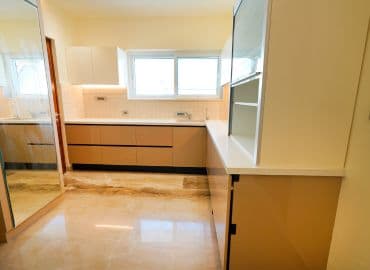
Use the kitchen page to translate material mechanism into a better client story, not just a longer feature list.
Why Paneluxe fits kitchens
A stronger kitchen route needs better structure, not just better styling.
The kitchen fit comes from the combination of structure, finish compatibility, hardware integration, and a lower-risk story around moisture and maintenance.
Material logic
Aluminium honeycomb cabinet doors and components give the kitchen a materially different starting point instead of a conventional weak-core story.
Execution range
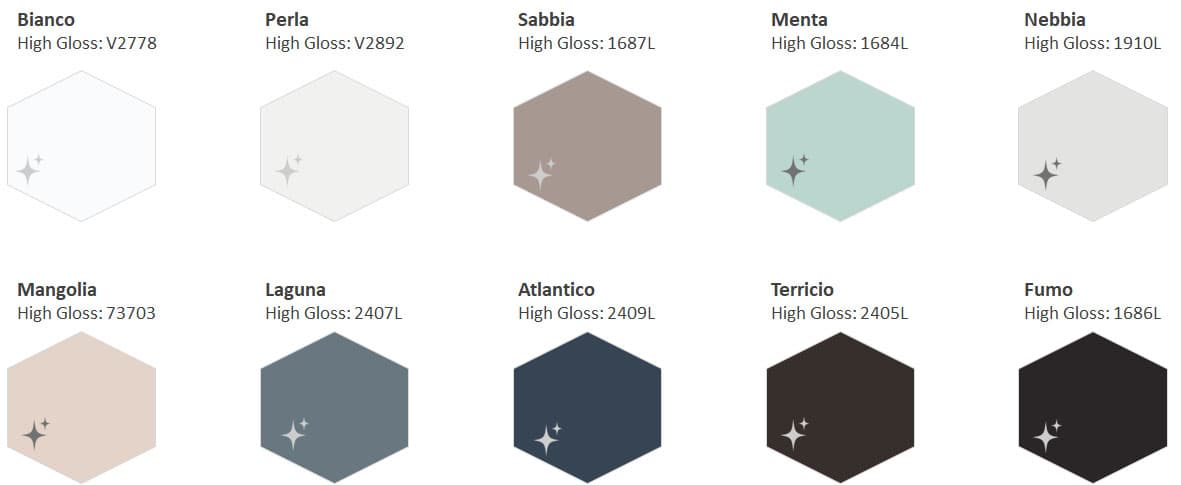
Publicly referenced finish and execution options already include Rehau, Senosan, Fenix, integrated LED lighting, inner drawers, and premium hardware stacks.
Project outcome
That combination makes it easier to hold together the premium finish story and the long-run performance story in the same specification.
Proof and next step
Use the kitchen page to qualify, compare, and move the project forward.
Kitchen intent is warm intent. The best next step is either a direct comparison or an architect-facing review path.
Comparison
Paneluxe vs plywood
Move from the kitchen use case into the baseline objection most architects hear first.

Risk path
Wet-area material logic
Go deeper on the kitchen-specific moisture question that usually shows up before a decision is made.
Architect route
Take the project into review
If the kitchen brief is active already, move directly into the architect support path instead of browsing more product pages.
Project-fit call
Use the call to turn this page into a usable specification route.
We will help you translate the material logic into a client-ready explanation around durability, maintenance, warranty confidence, and long-term handover quality.
Implementation path
Brief review works better when the kitchen problem is named early.
The implementation path should feel practical for an architect, not sales-heavy for a homeowner.
Step 1
Share the brief
Start from the active kitchen application, city, and baseline material under consideration.
Step 2
Surface the risk
Clarify the real pressure points: moisture, maintenance, finish direction, or supplier-confidence issues.
Step 3
Align the route
Match the kitchen route with the right comparison, technology explanation, and execution support.
Step 4
Advance the project
Move into compare sheet, review call, or technical support depending on how active the project already is.
Next step
Kitchen intent should end in a comparison or a live brief, not in more generic browsing.
The fastest conversion path is simple: compare the route, send the brief, and remove material doubt before the project moves deeper.
Quick consultation
Book one focused call. We will map Paneluxe to the actual project.
Bring the client brief, room type, and material concern. We will explain where aluminum honeycomb panels help, which product route fits, and what proof you can use with the client.
Understand the brief
Application, dimensions, exposure, client expectation, and project stage.
Match the product route
Kitchens, wardrobes, wet areas, doors, shutters, or custom interior use cases.
Improve the handover story
Better material confidence, fewer service headaches, stronger guarantees, and cleaner client recommendations.
In the quick note, mention the application, client concern, and current project stage.