Problem to solution
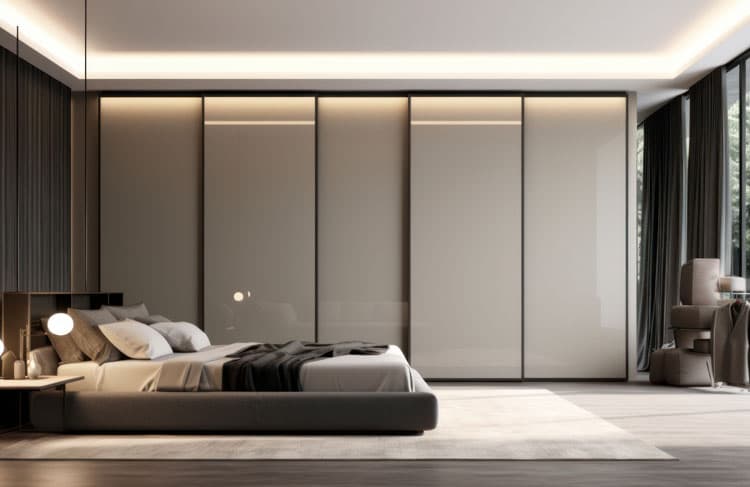
Tall shutters look elegant only when the material logic supports them.
Tall shutters need more than a premium visual. They need a route that can handle weight, alignment, movement, and large-format confidence without making the architect feel exposed.
Problem mirror
Tall-format design needs a route that can support the proportions, not just imitate them.
This page should sound like it understands large-format pressure, not like it is inventing a new marketing slogan around height.
Sagging fear
The elegant visual idea falls apart quickly if the user does not trust the shutter to stay aligned over time.
Movement anxiety
Large-format joinery carries a daily-use concern around feel, motion, and geometry that the page needs to name directly.
Specifier pressure
Architects need a shorter answer when the question becomes whether the beautiful shutter route is still the responsible one.
Project-fit call
Have a live client brief? Bring it to the consultation.
We will look at the application, the concern, and the client expectation, then show how Paneluxe can fit the project without forcing a generic product explanation.
Compare the routes
Large-format joinery should be compared on confidence, not just on appearance.
The usual route gets risky because height amplifies weight, alignment, and movement issues. The page should make that risk concrete.
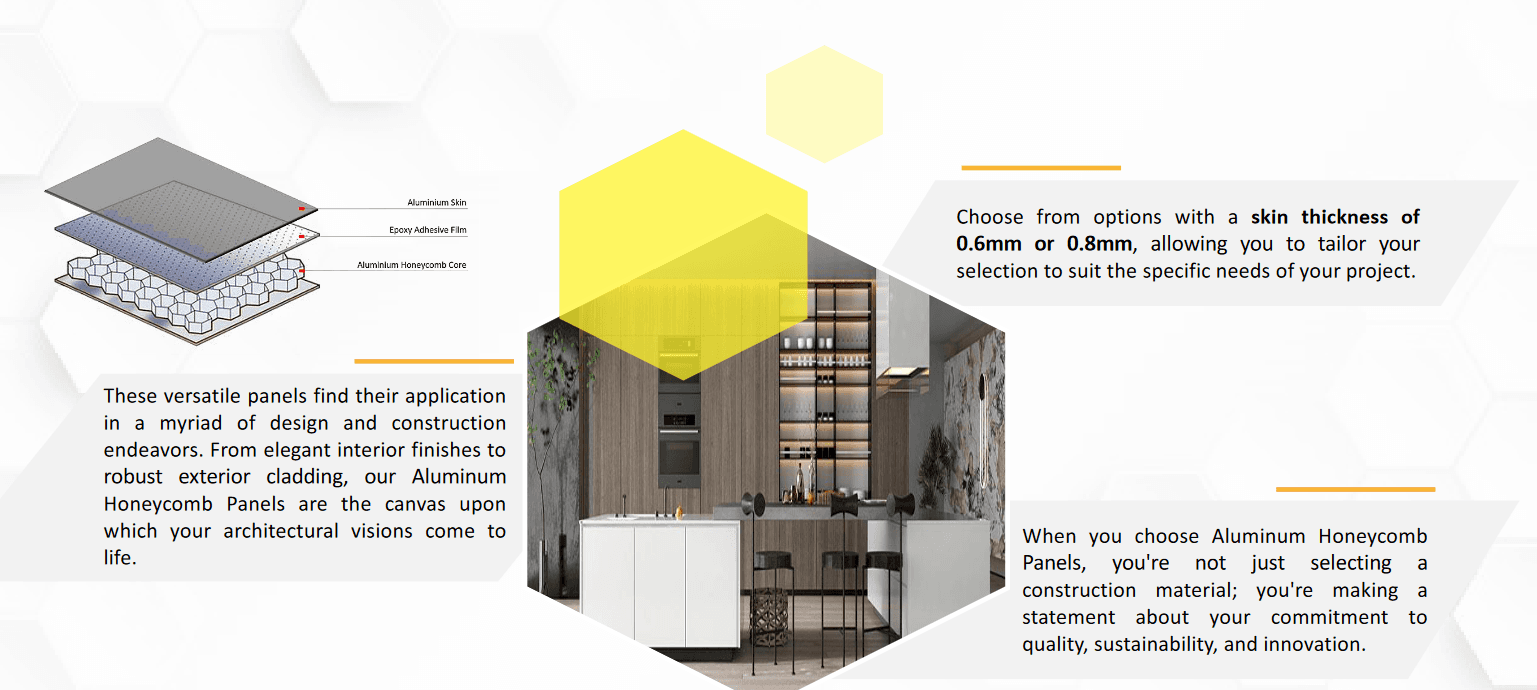
Use this page to connect a specific tall-format objection with the closest application page and the technical explanation behind it.
Where Paneluxe changes it
The tall-shutter story becomes persuasive when height, structure, and next step are linked together.
Once the tall-shutter concern is named clearly, the next step is to show where Paneluxe changes the equation with lighter structure, cleaner proportions, and better long-run confidence.
Large-format route
This page should explain why the tall-format advantage belongs to the material route, not just to a clever design trick.
Application relevance
It should feed directly into wardrobes and doors/shutters so the comparison is always tied to a concrete use case.
Hot-intent CTA
Because tall-shutter visitors are often evaluating a live decision, the CTA should stay close to compare sheet, technical sheet, and review.
Route the comparison
Large-format intent should flow into the pages that can actually close the objection.
Tall-shutter visitors should always be one click away from the application and mechanism pages that make the claim believable.
Application path
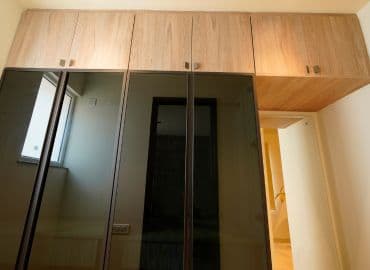
Wardrobe systems
Move into the wardrobe authority page when the large-format concern is happening inside a storage system decision.
Application path
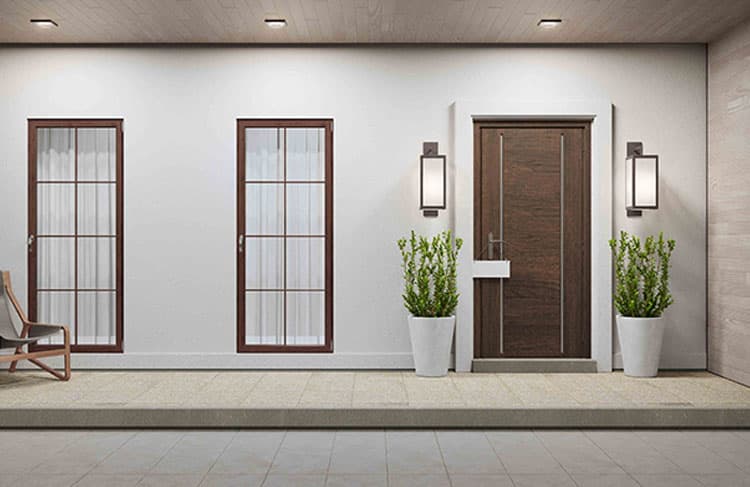
Doors & shutters
Use the doors and shutters page when the conversation is more architectural and profile-driven than storage-specific.
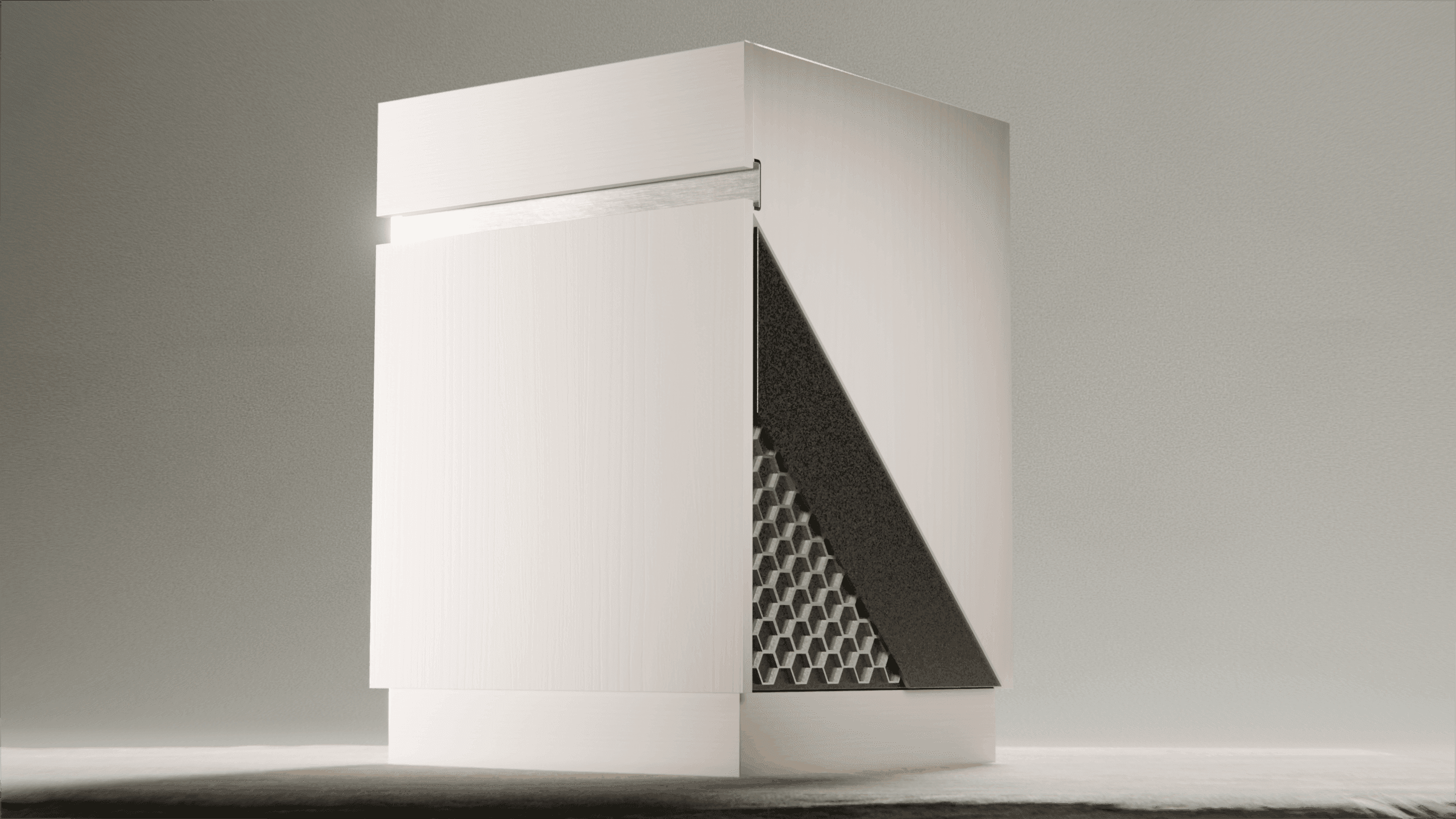
Technology path
Material logic
Take the question into the mechanism page when the visitor needs the structural explanation behind the large-format claim.
Project-fit call
Use the call to turn this page into a usable specification route.
We will help you translate the material logic into a client-ready explanation around durability, maintenance, warranty confidence, and long-term handover quality.
Next step
Large-format objections convert best when the next move is specific and immediate.
Tall-shutter pages should close with compare sheet, technical sheet, or review options because the visitor is usually already evaluating a real specification choice.
Quick consultation
Book one focused call. We will map Paneluxe to the actual project.
Bring the client brief, room type, and material concern. We will explain where aluminum honeycomb panels help, which product route fits, and what proof you can use with the client.
Understand the brief
Application, dimensions, exposure, client expectation, and project stage.
Match the product route
Kitchens, wardrobes, wet areas, doors, shutters, or custom interior use cases.
Improve the handover story
Better material confidence, fewer service headaches, stronger guarantees, and cleaner client recommendations.
In the quick note, mention the application, client concern, and current project stage.