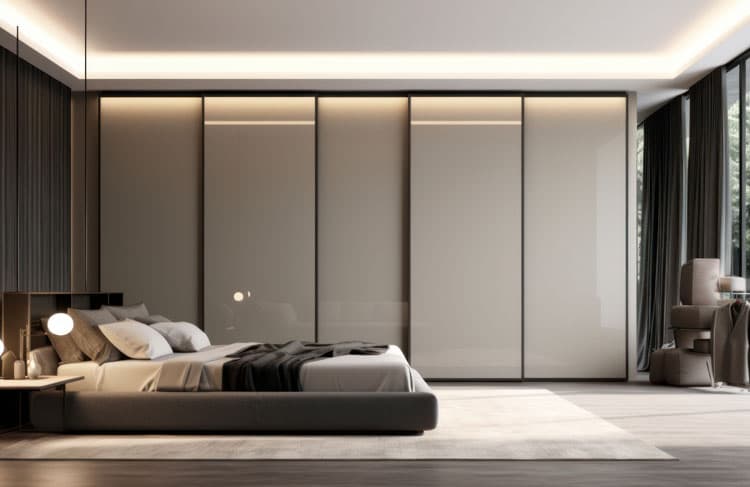
Wardrobe systems
Tall wardrobe systems up to 9 ft with cleaner lines and stronger long-run confidence.
Wardrobe decisions get harder when tall shutters, cleaner lines, daily use, and long-run alignment all have to work together in one premium system.
Problem mirror
Tall shutters look clean only when the material route can actually support the height, weight, and geometry.
The wardrobe page should speak directly to tall-format and daily-use confidence, because that is where the category gets judged.
Weight pressure
Tall shutters become difficult to trust when the baseline material keeps weight, movement, and alignment anxiety alive.
Daily-use wear
Wardrobes are not static visual objects. They move every day, which makes small structural compromises harder to hide over time.
Finish confidence
The premium finish story weakens quickly when the architect is still unsure about the shutter logic underneath it.
Project-fit call
Have a live client brief? Bring it to the consultation.
We will look at the application, the concern, and the client expectation, then show how Paneluxe can fit the project without forcing a generic product explanation.
Compare the routes
Familiar wardrobe baselines stay familiar. They do not automatically stay strong.
The wardrobe comparison is not about claiming spectacle. It is about showing why familiar routes still keep movement and maintenance risk in the room.
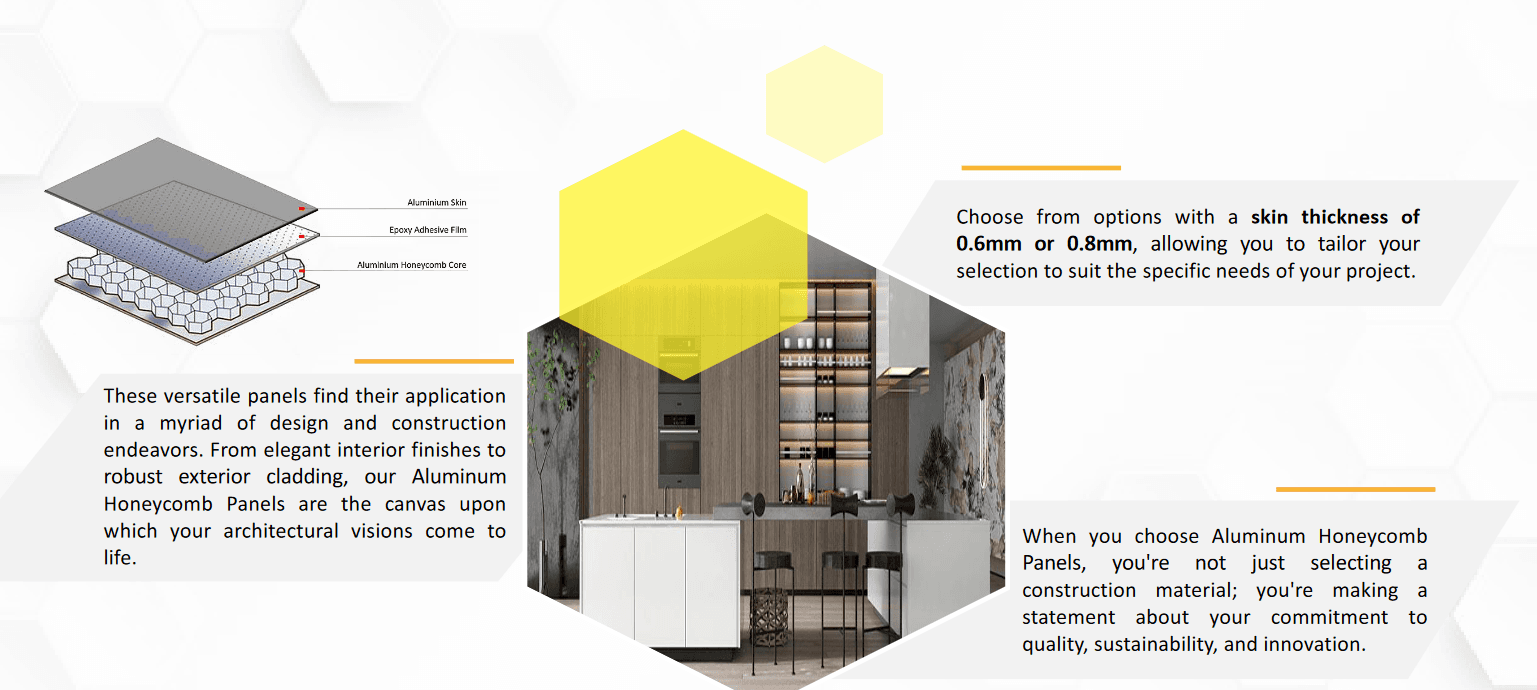
The wardrobe story is strongest when height, profile, and finish direction are defended in the same page.
Why Paneluxe fits wardrobes
Tall wardrobes need an explanation that is structural first and premium second.
Public India-facing details already support the tall-shutter route. This page should turn that into a practical specification advantage instead of leaving it as a buried brochure bullet.
Tall-shutter logic
The India wardrobe story can credibly lead with doors up to 9 ft, then connect that to a cleaner long-format specification route.
System compatibility
Public references already include aluminium profile wardrobes, sliding systems, and integrated lighting, which makes the wardrobe page feel real rather than aspirational.
Premium outcome
The result is a wardrobe system page that can speak to geometry, finish confidence, and everyday use without sounding decorative or vague.
Proof and next step
Use wardrobe intent to route toward the exact objection, not a generic product gallery.
Wardrobe visitors are usually comparing a specific risk, not doing open-ended research. The page should route them accordingly.
Comparison
Tall-shutter material
Go directly to the objection page built for height, movement, and large-format confidence.
Baseline
Paneluxe vs plywood
Use the broader baseline comparison when the wardrobe conversation starts drifting back toward plywood familiarity.
Architect route
Request project support
Move the wardrobe brief into the architect-facing route when the project needs more than another brochure.
Project-fit call
Use the call to turn this page into a usable specification route.
We will help you translate the material logic into a client-ready explanation around durability, maintenance, warranty confidence, and long-term handover quality.
Next step
Wardrobe pages convert better when they treat height as a decision problem, not just a feature bullet.
If the wardrobe concern is really about tall-shutter confidence, the right next step is a comparison path or a live brief.
Quick consultation
Book one focused call. We will map Paneluxe to the actual project.
Bring the client brief, room type, and material concern. We will explain where aluminum honeycomb panels help, which product route fits, and what proof you can use with the client.
Understand the brief
Application, dimensions, exposure, client expectation, and project stage.
Match the product route
Kitchens, wardrobes, wet areas, doors, shutters, or custom interior use cases.
Improve the handover story
Better material confidence, fewer service headaches, stronger guarantees, and cleaner client recommendations.
In the quick note, mention the application, client concern, and current project stage.