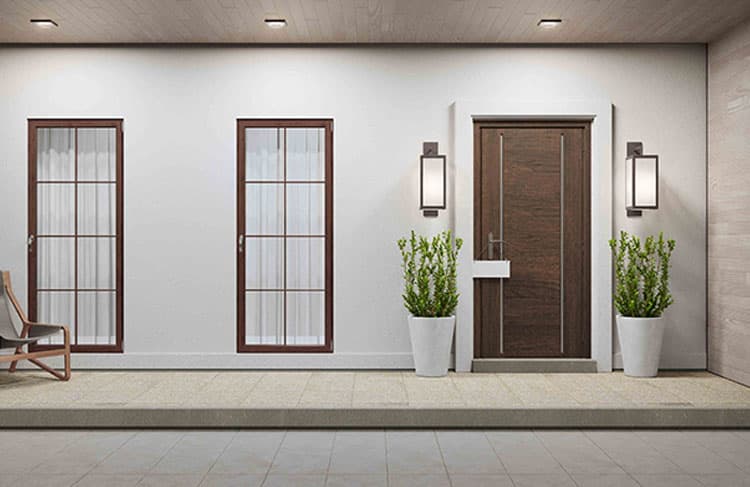
Doors and shutters
Slimmer, lighter, cleaner large-format door systems without weak-core compromise.
The door and shutter page should make large-format precision believable. The visitor needs to understand why slim, lighter panels are structurally credible, not just visually attractive.
Why architects care here
Large-format and slim-profile doors need a stronger explanation than simple brochure language.
This category carries both design ambition and structural scrutiny. The page has to respect both.
Profile pressure
Large-format doors and shutters are judged quickly on thickness, movement, and the way they sit inside the overall geometry.
Movement confidence
The door page has to answer whether the system will stay believable in daily use, not just whether it can look elegant in a rendering.
Specification clarity
Architects need a precise material explanation when a refined door profile has to survive value-engineering pressure.
Project-fit call
Have a live client brief? Bring it to the consultation.
We will look at the application, the concern, and the client expectation, then show how Paneluxe can fit the project without forcing a generic product explanation.
Thin-profile advantage
The slim-door story works only when the material route can support it.
The comparison here is between design intent that looks refined and a material route that can actually protect that refinement.
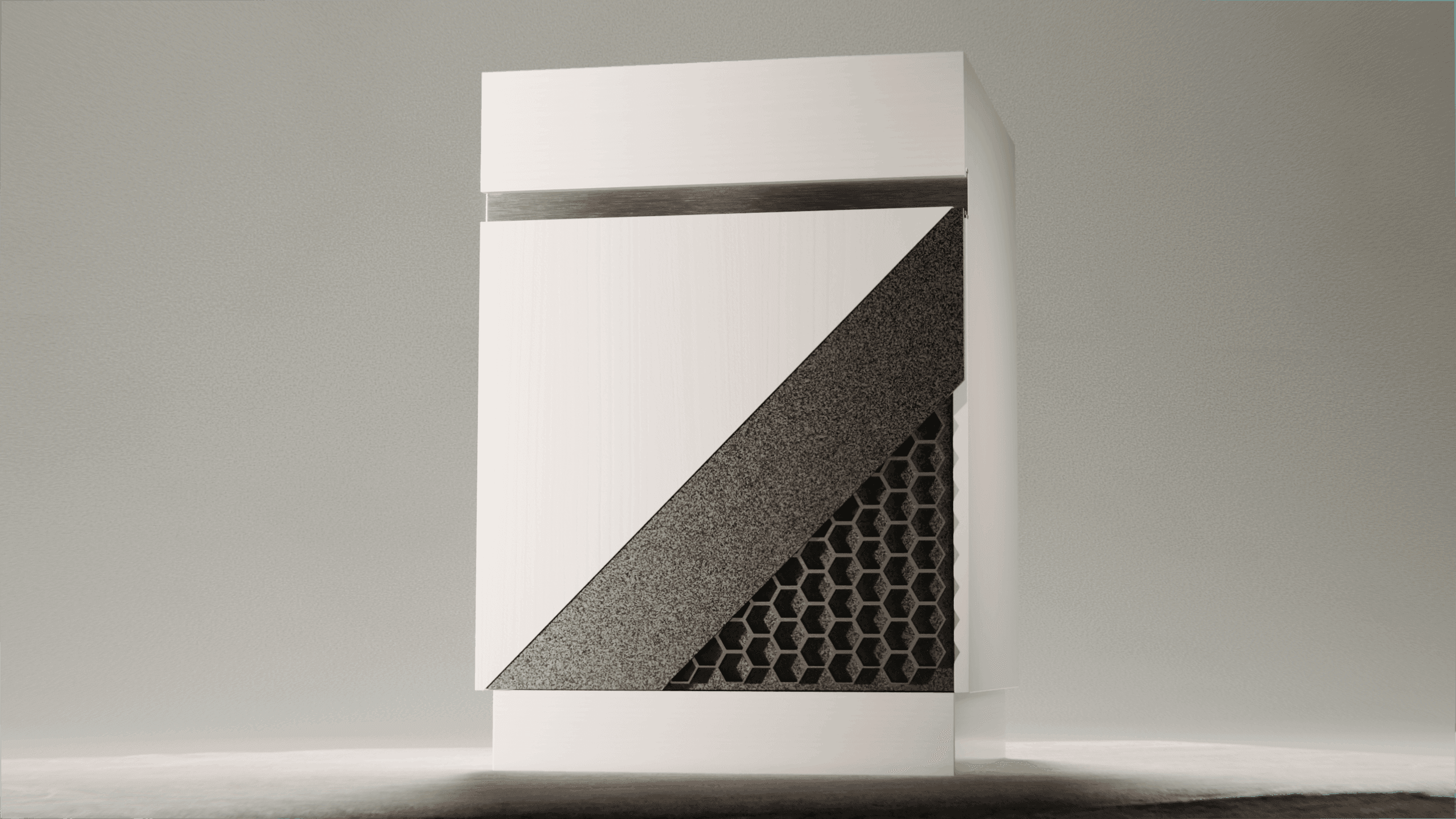
Use this page for lightweight, slim-profile, and door-specific conversations where design precision must stay believable.
Structural and use logic
The design becomes more defensible when structure and profile are explained together.
Public India-facing door details already include lightweight, soundproof, single-hinge hanging, internal-door positioning, and waterproof washroom-door relevance. The page should turn those claims into an architectural use-case narrative.
Design precision
The thin-profile advantage creates cleaner lines, better internal volume logic, and a more refined edge story.
Believable mechanism
Lighter construction and rigidity become the reason the design language feels trustworthy, not just visually minimal.
Use-case fit
That is what lets the page cover internal doors, large shutters, and washroom-door conversations without sounding generic.
Proof and next step
Use the door page to qualify large-format intent and move it toward review.
Door and shutter visitors are usually close to evaluation. The page should route them into review or technical support fast.
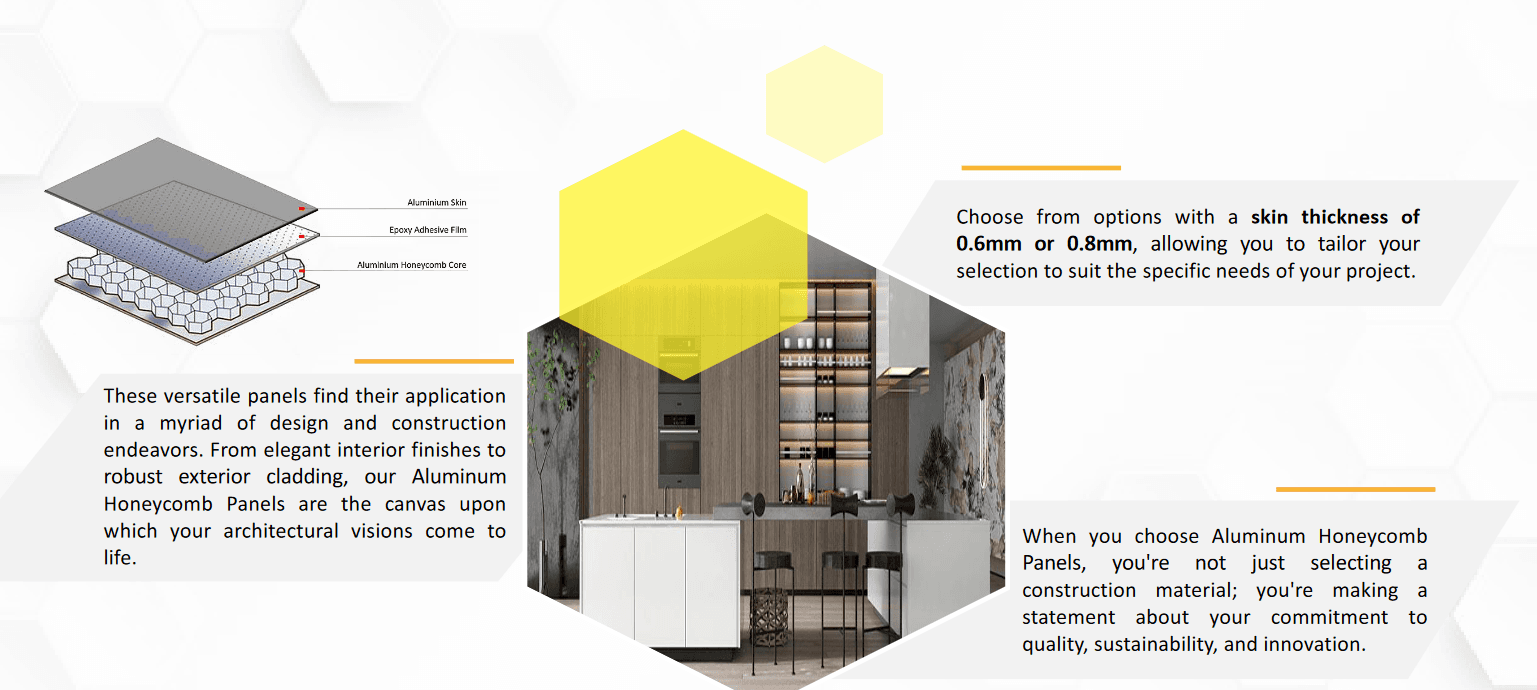
Large-format comparison
Tall-shutter material
Take the large-format concern into the tall-shutter comparison when the objection is really about movement and confidence.
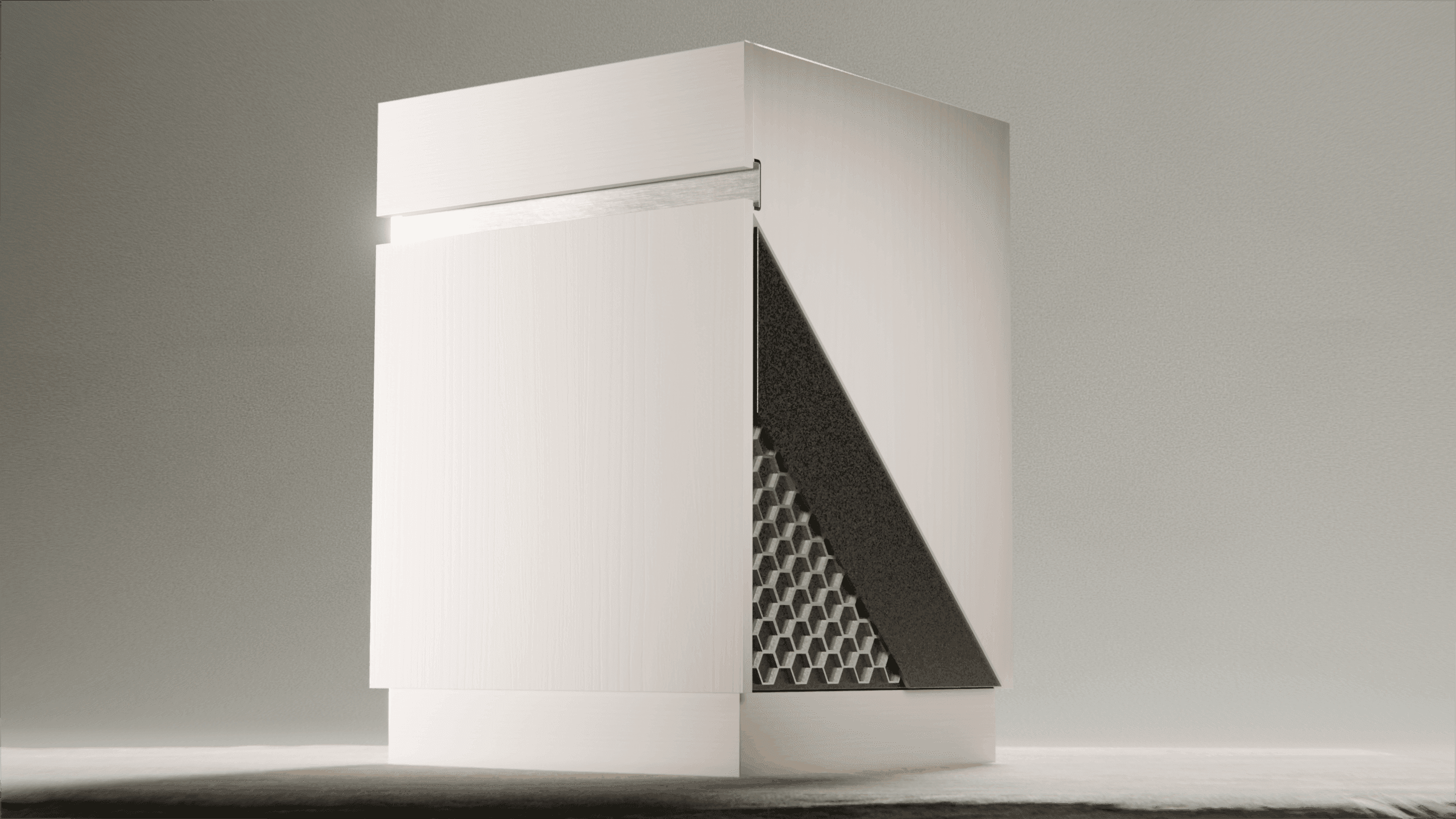
Technology path
Slim-door logic
Use the mechanism page when the door conversation needs a deeper explanation of thickness, structure, and rigidity.
Review path
Book a project-fit discussion
Move into the architect review path when the design is active and the next question is fit, not discovery.
Project-fit call
Use the call to turn this page into a usable specification route.
We will help you translate the material logic into a client-ready explanation around durability, maintenance, warranty confidence, and long-term handover quality.
Next step
Large-format precision becomes easier to sell when the review path is clear.
The door and shutter page should end in a review call or a technical-sheet request, because those are the decisions that move the project forward.
Quick consultation
Book one focused call. We will map Paneluxe to the actual project.
Bring the client brief, room type, and material concern. We will explain where aluminum honeycomb panels help, which product route fits, and what proof you can use with the client.
Understand the brief
Application, dimensions, exposure, client expectation, and project stage.
Match the product route
Kitchens, wardrobes, wet areas, doors, shutters, or custom interior use cases.
Improve the handover story
Better material confidence, fewer service headaches, stronger guarantees, and cleaner client recommendations.
In the quick note, mention the application, client concern, and current project stage.